

Bifacial Solar Panels: Worth It for Indian Conditions?

Bifacial Solar Panels: Worth It for Indian Conditions?
Bifacial solar technology has emerged as one of the most discussed innovations in the photovoltaic industry, promising energy generation from both sides of the panel. While the concept sounds compelling, the critical question for Indian buyers remains: does the additional cost translate into meaningful returns under our specific climatic and installation conditions?
Understanding Bifacial Technology
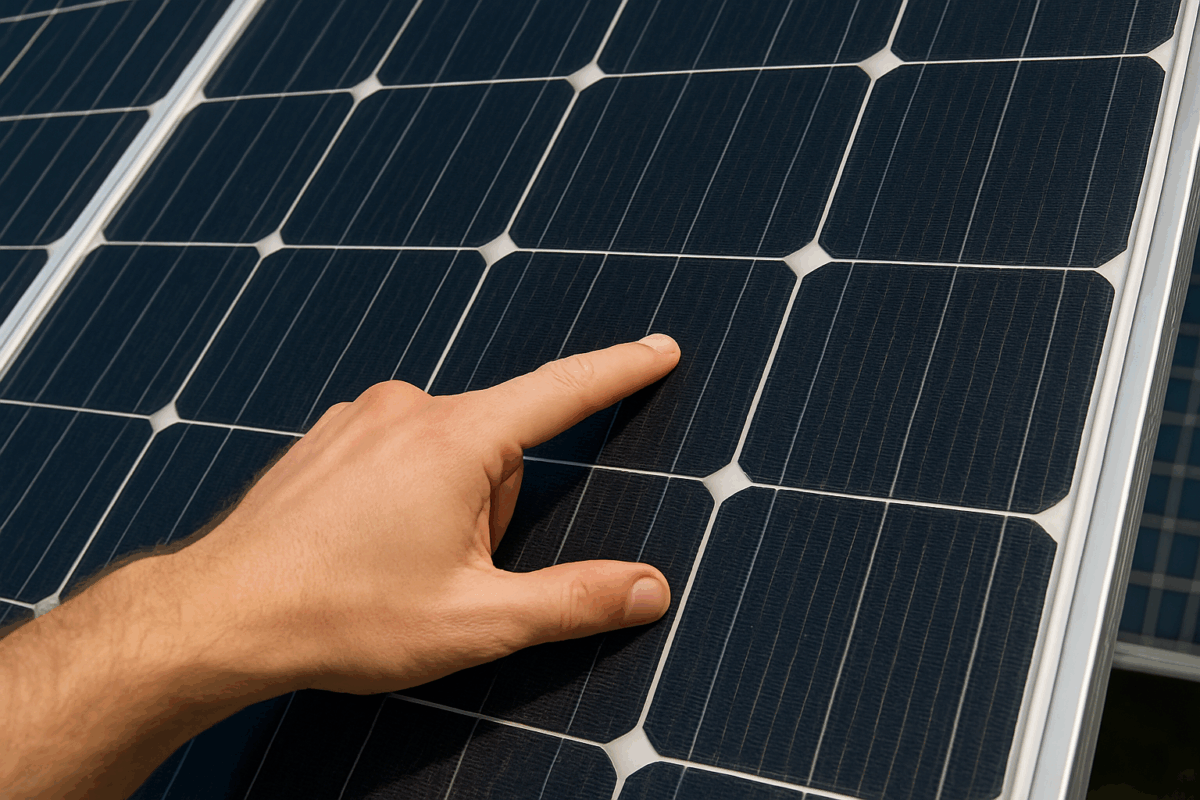
Unlike conventional solar panels that only capture sunlight on their front surface, bifacial modules feature photovoltaic cells that can generate electricity from both sides. The rear side captures reflected light, also known as albedo, from surrounding surfaces. This dual-sided generation can theoretically increase total energy output by 5-30%, depending on various environmental and installation factors.
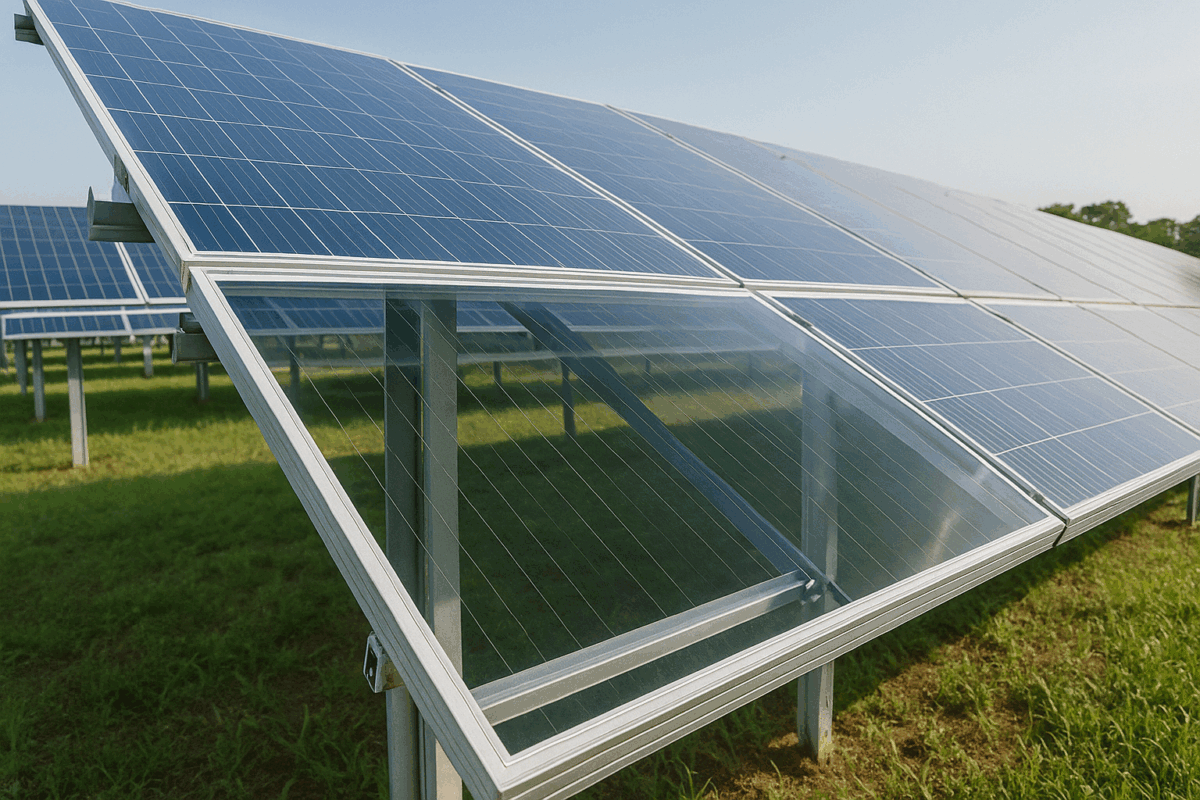
Modern bifacial panels typically use glass-glass construction rather than the traditional glass-backsheet design. This configuration allows light to pass through to the rear cells while providing enhanced durability and moisture resistance. The transparent rear surface is key to the technology’s functionality, though it does add weight and cost compared to standard modules.
The Albedo Factor in Indian Installations
The effectiveness of bifacial panels heavily depends on albedo—the reflectivity of the surface beneath and around the installation. White surfaces reflect up to 80-90% of light, while dark soil might reflect only 10-20%. This variation dramatically affects the economic case for bifacial technology.
In India’s diverse installation scenarios, albedo varies considerably. Rooftop installations on white membrane or light-colored tiles offer excellent reflectivity. Ground-mounted systems on sandy soil or with white gravel provide good albedo. However, installations over dark roofs, vegetation, or water feature poor reflectivity, substantially reducing the bifacial advantage.
Desert regions in Rajasthan and Gujarat, with light-colored sandy soil, present ideal conditions for bifacial installations. Agricultural land with light-colored soil also works well. Conversely, Kerala’s laterite soil or installations over green farmland in Punjab offer minimal rear-side gains, making the bifacial premium difficult to justify economically.
Installation Considerations and Costs
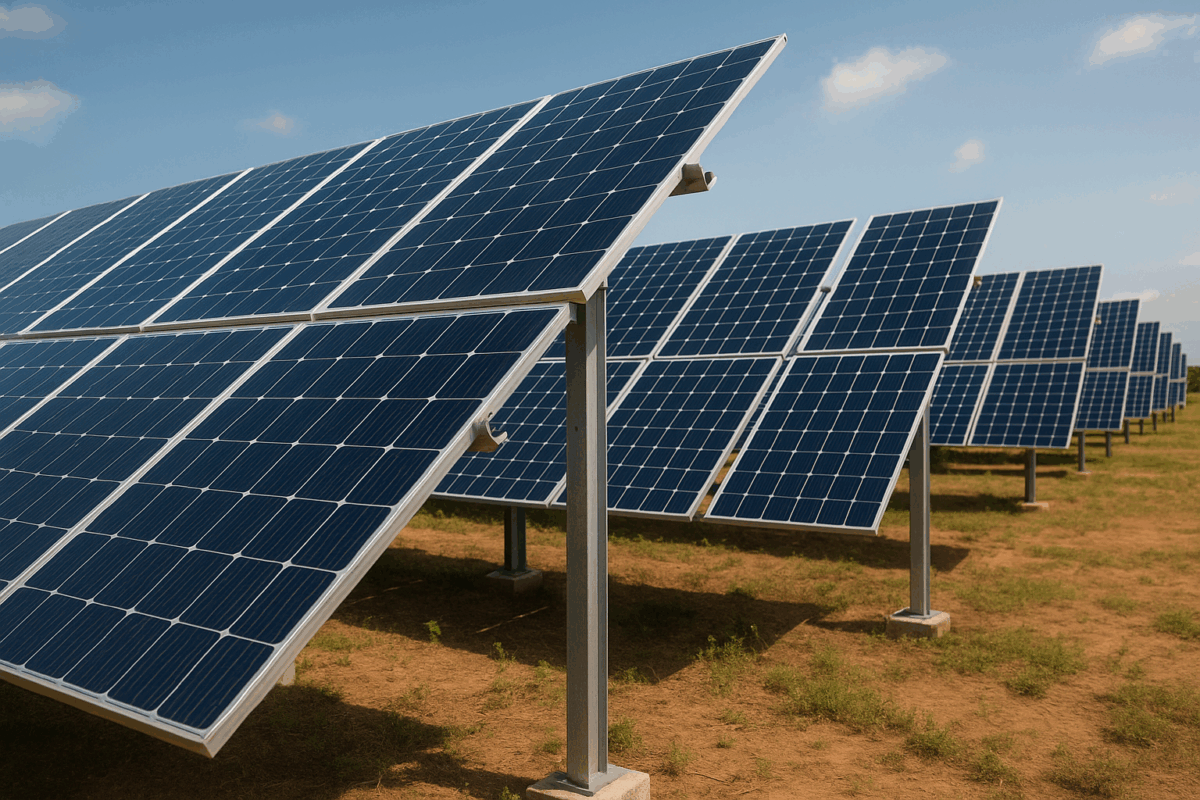
Maximizing bifacial panel performance requires specific installation practices that add complexity and cost. Panels must be mounted higher off the ground or roof surface—typically 1-2 meters—to allow reflected light to reach the rear surface effectively. This increased mounting height requires sturdier, more expensive structures to handle wind loads.
The optimal tilt angle for bifacial installations differs from monofacial arrays. While monofacial panels in India typically install at 10-15 degree tilts for rooftops and 20-25 degrees for ground mount, bifacial arrays often perform better at slightly steeper angles that balance front-side optimization with rear-side exposure.
These installation requirements translate to 15-25% higher balance-of-system costs compared to standard monofacial installations. When combined with the 10-20% premium for bifacial modules themselves, the total system cost increase can reach 12-20%, depending on project scale and specifications.
Real-World Performance in Indian Climate
India’s intense sunlight and high ambient temperatures create a unique performance environment. Bifacial panels, with their glass-glass construction, typically exhibit better temperature coefficients than standard glass-backsheet modules. They lose less efficiency as temperatures climb, which provides a hidden advantage in India’s hot climate.
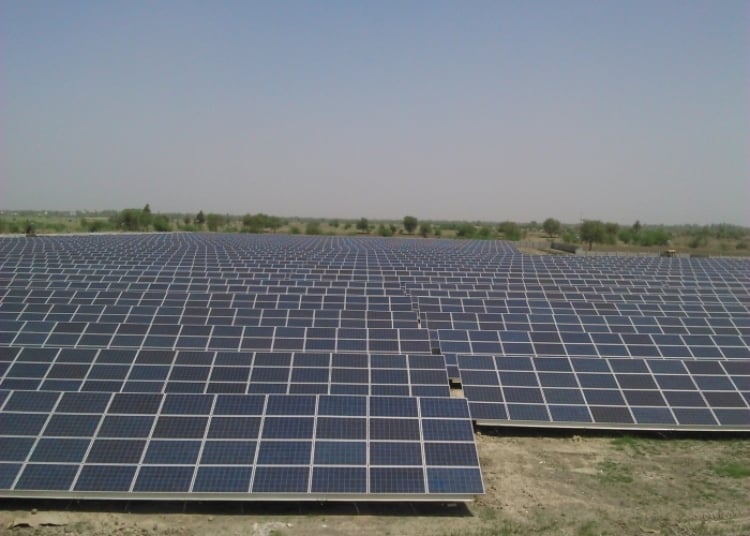
Several utility-scale projects in India have reported bifacial gains of 8-15% in optimal conditions. The Bhadla Solar Park in Rajasthan, with its desert environment and high albedo, has shown bifacial installations outperforming monofacial arrays by approximately 12-14%. However, rooftop installations in urban areas with typical dark surfaces show gains closer to 4-7%, making the economic case less compelling.
Monsoon season performance presents an interesting dynamic. Wet surfaces generally have higher reflectivity than dry ones, potentially boosting bifacial gains during rainy periods. However, cloud cover reduces overall generation, so this benefit remains marginal in the annual energy equation.
Financial Analysis and ROI Considerations
For large utility-scale projects, the bifacial premium often pencils out favorably. A 10% boost in energy generation from a 12% increase in total system cost typically delivers positive returns, especially when factoring in the improved degradation rates and durability of glass-glass construction.
Commercial and industrial installations require more nuanced analysis. Projects with favorable albedo conditions, adequate space for elevated mounting, and long-term ownership horizons generally benefit from bifacial technology. However, smaller systems with budget constraints or suboptimal albedo might find better value in simply adding more conventional panels to achieve the same total capacity.
Residential rooftop installations rarely justify the bifacial premium in India. Space constraints limit the ability to mount panels at optimal heights, dark roof surfaces reduce albedo benefits, and the higher upfront costs impact already tight residential project economics. For most homeowners, investing the additional budget in system capacity using conventional high-efficiency panels delivers better financial returns.
Tracking Systems and Bifacial Synergy
Single-axis tracking systems paired with bifacial panels create a powerful combination for utility-scale installations. The tracking mechanism optimizes front-side generation throughout the day, while the elevated, rotating panels capture reflected light from multiple angles. According to the National Renewable Energy Laboratory, bifacial panels on single-axis trackers can achieve 25-35% more energy than fixed-tilt monofacial systems.
India’s utility-scale solar sector is increasingly adopting this combination, particularly in land-abundant regions with good solar resources. However, tracking systems add significant cost and complexity, making this option primarily viable for large projects where economies of scale offset the additional investment.
Maintenance and Durability Aspects
The glass-glass construction of bifacial panels offers inherent durability advantages. Without the polymer backsheet vulnerable to UV degradation and moisture ingress, these panels typically carry superior long-term warranties and lower degradation rates. This durability factor, independent of bifacial generation gains, adds value that often goes unaccounted in simple payback calculations.
Maintenance requirements differ slightly from conventional panels. Both sides accumulate dust and debris, though the rear side typically collects less soiling due to its angled position. In dust-heavy regions like North India, cleaning protocols must consider both surfaces to maintain optimal performance, though rear-side soiling impacts performance less severely than front-side accumulation.
Making the Decision
The bifacial question doesn’t have a universal answer for Indian conditions. Projects should evaluate several factors: albedo of installation surface, available mounting height, project scale, ownership timeline, and specific climate conditions. Large ground-mounted projects in high-albedo regions present the strongest case. Rooftop installations with favorable conditions offer moderate benefits. Small residential systems rarely justify the premium.
As bifacial technology matures and cost premiums narrow, the economic case will strengthen. Current trends suggest bifacial panels may become the default choice for utility-scale installations within a few years, while distributed generation applications will likely remain dominated by conventional panels unless albedo conditions strongly favor bifacial designs.
For now, Indian buyers should approach bifacial technology with careful analysis rather than blanket adoption or rejection. Companies like Websol Energy System and other manufacturers are continuously improving bifacial technologies, but the decision ultimately depends on site-specific conditions where advantages can overcome cost premiums.


 ” and all products and logos denoted with trade mark are trademarks of Websol Energy System Limited. This trade mark may not be used in connection with any product or service that is not a Websol Energy System’s product, functions or service.